Electric Guitars
View all Categories- ‹ Musical Instruments
- ‹ Guitars and Basses
- Electric Guitars
- Electric Guitar Sets
- ST Style Guitars
- T Style Guitars
- Single Cut Guitars
- Double Cut Guitars
- Semiacoustic Guitars
- Heavy Guitars
- Lefthanded Guitars
- Premium Guitars
- Jazz Guitars
- 7 String Guitars
- 8 String Guitars
- Fanfret Guitars
- 12 String Guitars
- Baritone Guitars
- Shortscale Guitars
- MIDI, Digital & Modelling Guitars
- Electric Guitars w/ Piezo Pickups
- Alternative Design Guitars
- Signature Guitars
Displaying 1-75 of 3057 products
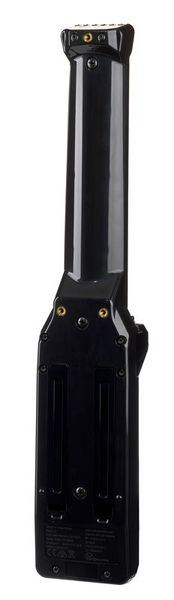
Zivix Jamstik 7 BK
Portable Digital Guitar Controller
MIDI & learning guitar, Built to real guitar specifications, App-supported product that uses a special technology to detect and teach the finger...

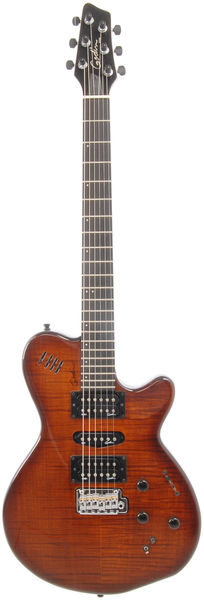
Godin XTSA Lightburst Flame
Electric Guitar
22 Frets, 5-Way switch, Machine heads with 18:1 gear ratio, Includes a gig bag

Godin XTSA TBK
7-String, 24 Frets, PRS Bird fretboard inlays, PRS 7-String Plate Style Bridge (String-through), Volume and push/pull tone controls, 3-Way blade...
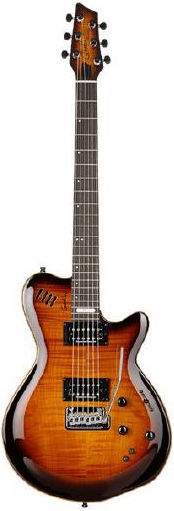
Godin LGXT CB
7-String, 24 Frets, PRS Bird fretboard inlays, PRS 7-String Plate Style Bridge (String-through), Volume and push/pull tone controls, 3-Way blade...
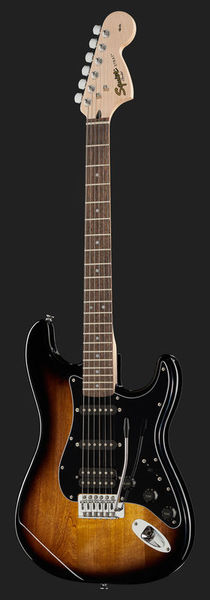
Fender SQ Affi Strat Pack HSSBSB IL
Electric GuitarSQ Affinity Strat Electric Guitar
21 Medium jumbo frets, 6-Saddle Vintage-Style synchronized tremolo

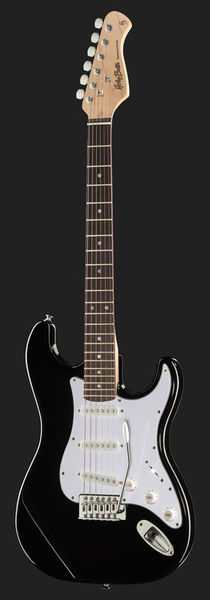
Harley Benton ST-20 BK Standard Series
Electric Guitar
DOT fretboard inlays, 22 Frets, Double action truss rod, 1 Volume control and 2 tone controls, 5-Way toggle switch, Chrome hardware, Synchronized...

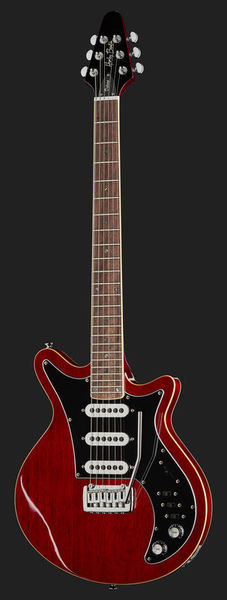
Harley Benton BM-75 Trans Red Deluxe Series
Electric Guitar
Dot fretboard inlays, 24 Frets, 1 Master volume control, 1 master tone control, 5-Way pickup selector, 3 Phase switch, Chrome hardware, Floating...
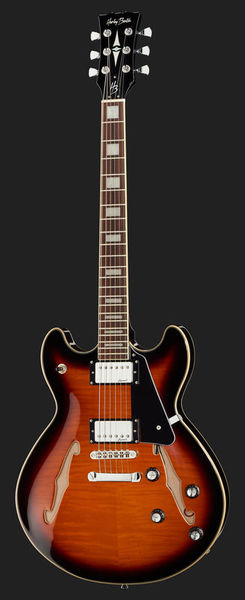
Harley Benton HB-35Plus Vintage Burst
Electric Guitar
Vintage series, Block fretboard inlays, 22 Frets, 2 Volume controls with push / pull function for coil split, 2 Tone controls, 3-Way pickup...
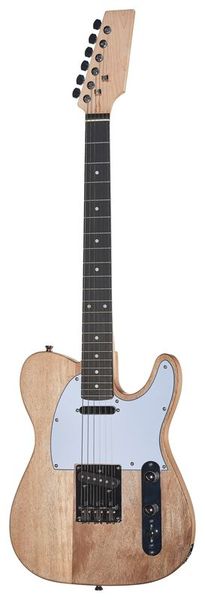
Harley Benton Electric Guitar Kit T-Style
Electric Guitar Kit T-Style
Complete DIY (Do it yourself) kit, Bolt-on neck, Solid wood body (wood colour may vary), DOT fretboard inlays, Double action truss rod, 22 Frets,...
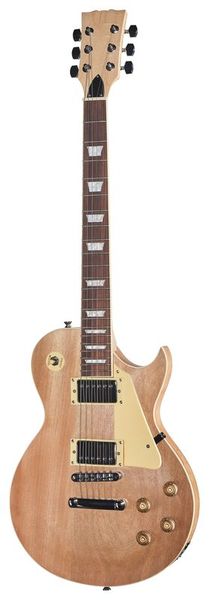
Harley Benton Electric Guitar Kit Single Cut
Electric Guitar Kit SC-Style
Complete DIY (Do it yourself) kit, Bolt-on neck, Solid wood body (wood colour may vary), Arched top, Trapezoid inlays, Double action truss rod, 22...
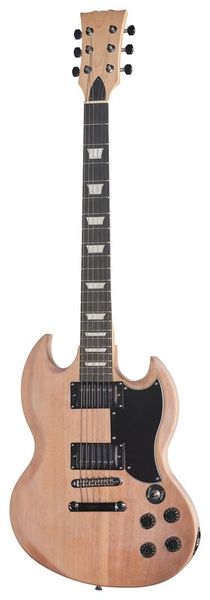
Harley Benton Electric Guitar Kit DC Style
Electric Guitar Kit DC-Style
Bolt-on neck attachment, Solid wood body (wood colour may vary), Maple neck, Double action truss rod, Amaranth fretboard, Trapezoid fretboard...
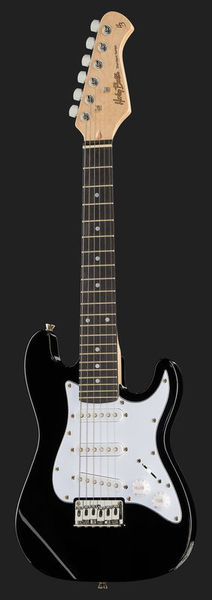
Harley Benton ST-Junior BK Standard Series
Short Scale Electric Guitar
Dot inlays, 21 Frets, Double-Action truss rod, 5-Way switch, 1 Volume control and 1 tone control, Diecast machine heads, Bridge with string guide...
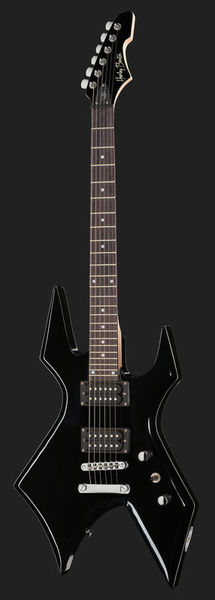
Harley Benton WL-20BK Rock Series
Electric Guitar
Rock Series, Basswood body, Bolt-on maple neck, C-Form, Dot inlays, 24 Frets, 1 Volume and 1 tone control, 3-Way switch, Double action trussrod,...
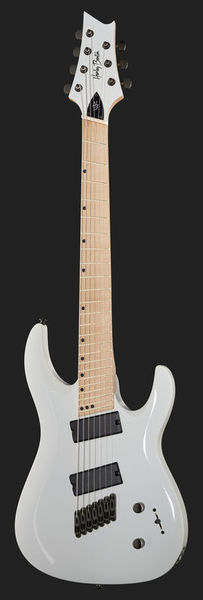
Harley Benton R-457MN WH Fanfret
7-String Electric Guitar
Progressive series, Basswood body, Bolt-on maple neck, Maple fretboard, Offset dot fretboard inlays, Dual action trussrod, 24 Medium diversified...
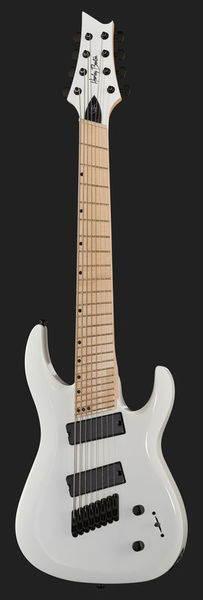
Harley Benton R-458 WH Fanfret
8-String Electric Guitar
Progressive Series, Amaranth fretboard, Offset dot fretboard inlays, Dual action trussrod, 24 Medium fanned jumbo frets, 1 Volume knob and 1 tone...
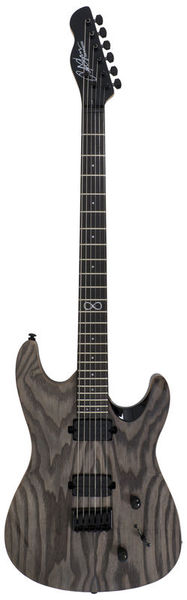
Chapman Guitars ML1 Mod Baritone Graphite V2
Baritone Electric Guitar
24 Frets, 3-Way pickup selection switch, Chapman hardtail bridge with string-thru-body, Made in Indonesia

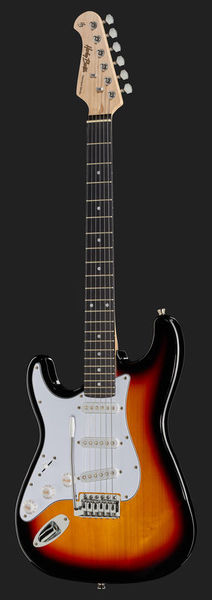
Harley Benton ST-20LH SB
Left-Handed Electric Guitar
Bolt-on maple neck, Dot inlays, 22 Frets, Double action truss rod, 1 Volume and 2 tone controls, 5-Way switch, Synchronised tremolo system,...
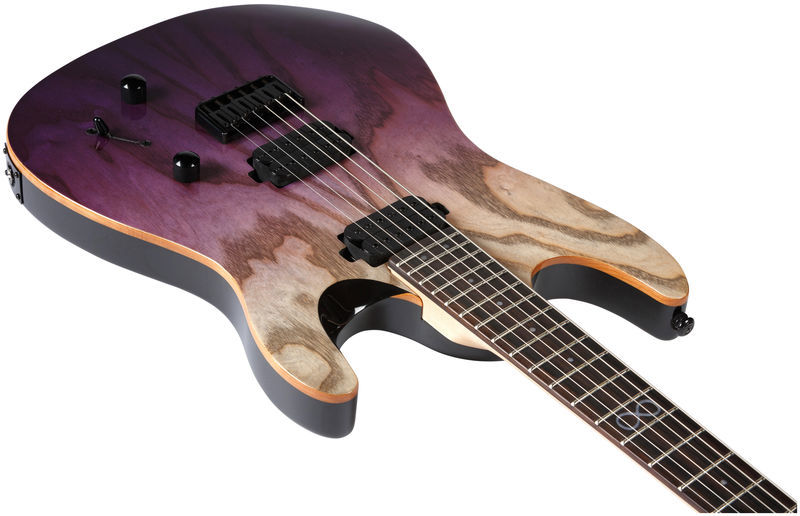
Chapman Guitars ML1 Mod Baritone Mallow V2
Baritone Electric Guitar
24 Frets, 1 Master volume control, 1 Master tone control with push/pull function, 3-Way pickup selection switch, Made in Indonesia
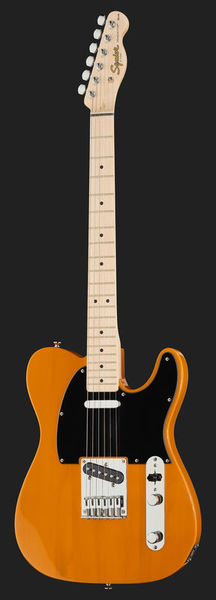
Fender Squier Affinity Tele MN BB
Electric Guitar
21 Frets, 2 Single coils, Chrome-plated hardware, Black pickguard, Light sound
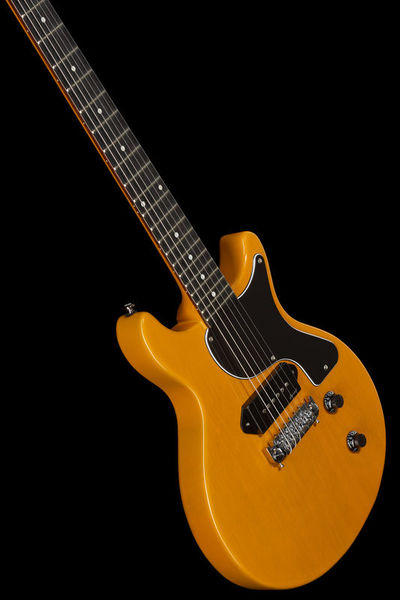
Harley Benton DC-Junior TV Yellow
Electric Guitar
Set-in mahogany neck, Amaranth fretboard, Dot fretboard inlays, 22 Medium jumbo frets, Graphite nut, Volume knob and tone knob, 3-Ply black...
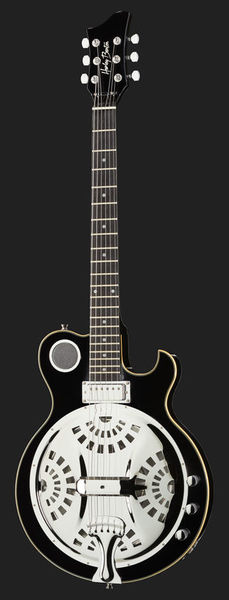
Harley Benton Custom Line ResoKing BK
Electric Guitar
Bluegrass series, Basswood body, Body bindings, C neck profile, Amaranth fretboard, Dot fretboard inlays, 21 Frets, Dual action truss rod, 2 Volume...
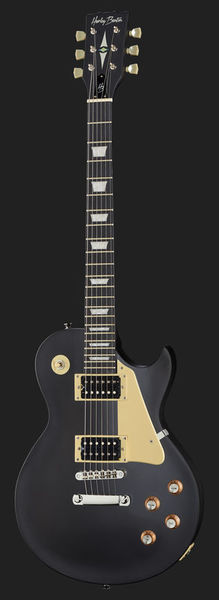
Harley Benton SC-400 SBK Vintage Series
Electric Guitar
Classic series, Arched top, Crown inlays, 22 Frets, Double action truss rod, 3-Way pickup selector, 2 Volume and 2 tone controls, Chrome hardware,...
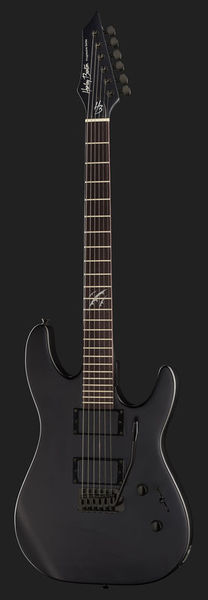
Harley Benton HWY-25BKS Progressive Series
Electric Guitar
Bolt-on maple neck, 24 Frets, Matched Reversed Headstock, Double-Action Truss Rod, "Predator"- Inlay on the 12th fret, Black hardware, Die-cast...
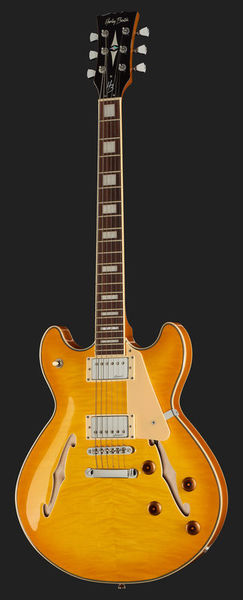
Harley Benton HB-35Plus Lemon
Electric Guitar
Vintage series, Block fretboard inlays, 22 Frets, 2 Volume controls with push / pull function for coil split, 2 Tone controls, 3-Way pickup...
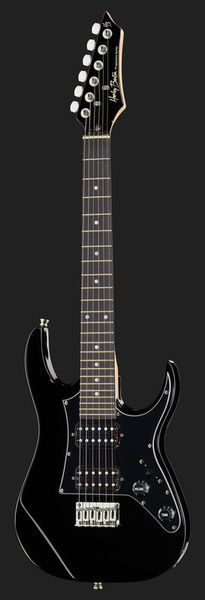
Harley Benton RG-Junior BK Rock Series
Electric Guitar
Dot inlays, 22 Frets, Double action truss rod, 1x Volume- and 1x tone control, 3-Way switch, Diecast machine heads, Guitar tuning in A-D-G-C-E-A
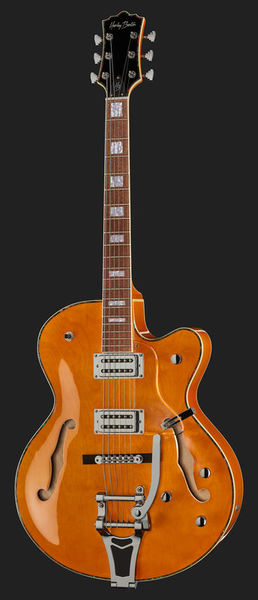
Harley Benton BigTone Trem Vintage Orange
Electric Guitar
Neck made of Canadian maple, Ovangkol fretboard, Block inlays, Body-, neck- and headstock binding, 20 Frets, 3-Way toggle switch, 3 Volume knobs...
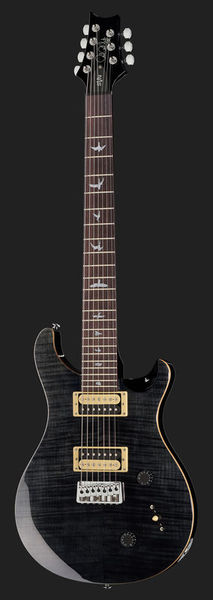
PRS SE SVN Seven GB
Electric Guitar
7-String, 24 Frets, PRS Bird fretboard inlays, PRS 7-String Plate Style Bridge (String-through), Volume and push/pull tone controls, 3-Way blade...

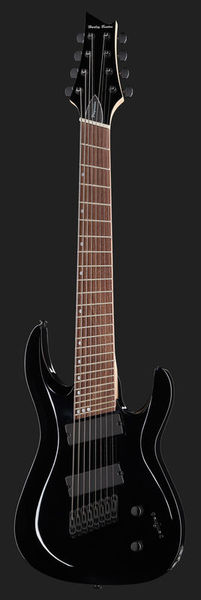
Harley Benton R-458BK Fanfret
8-String Electric Guitar
Progressive Series, Dual action truss rod, 3-Way switch
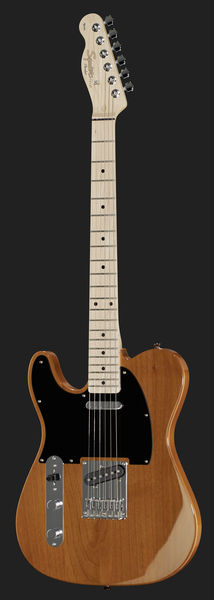
Fender Squier Affinity Tele MN BB LH
Electric Guitar
Left-hand model, C-shape, 21 Frets, Chrome-plated hardware, Black pickguard
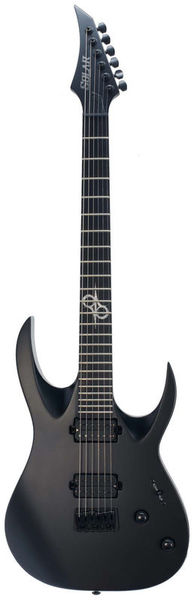
Solar Guitars A2.6C G2
Electric Guitar
7-String, 24 Frets, PRS Bird fretboard inlays, PRS 7-String Plate Style Bridge (String-through), Volume and push/pull tone controls, 3-Way blade...

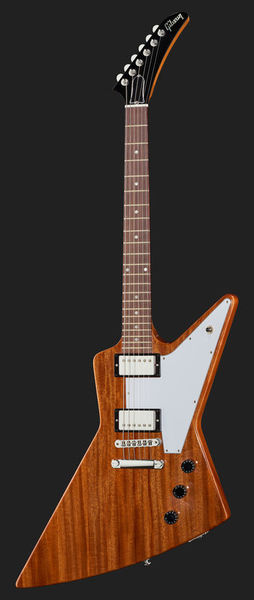
Gibson Explorer Antique Natural
Electric Guitar
Dot fretboard inlays, 22 Medium frets with cryogenic fret treatment, Tektoid nut, Aluminium Tune-O-Matic bridge, Aluminium stop bar, Grover mini...

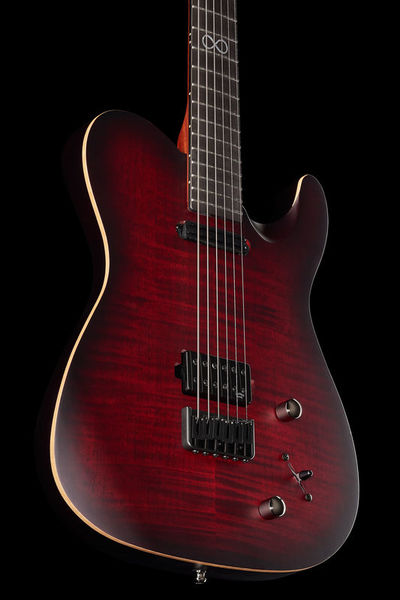
Chapman Guitars ML3 Bea Rabea Massaad Baritone
Baritone Electric Guitar
Rabea Massaad (Dorje) signature model, Alder body, Flamed maple top, Padauk neck, Ebony fretboard (Diospyros Celebica), 22 Stainless steel frets,...
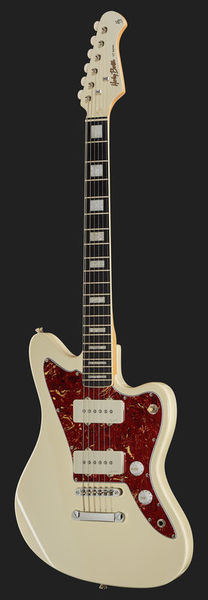
Harley Benton HB JA-60 OW
Electric Guitar
Vintage series, Bolt-on neck made of Canadian maple, Block fretboard inlays, Matched headstock, 21 Frets, Double action truss rod, 1 Volume knob...
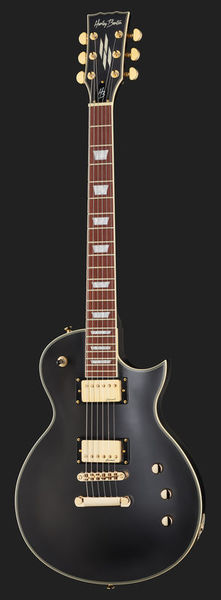
Harley Benton SC-Custom VB
Electric Guitar
Custom Line Series, Arched top, Black / White "aged" binding on the body, neck and headstock, Double action truss rod, 3-Way toggle pickup switch
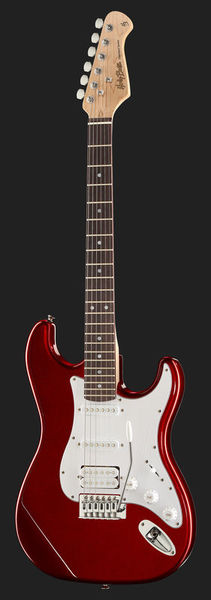
Harley Benton ST-20HSS CA Standard Series
Electric Guitar
Dot fretboard inlays, 22 Frets, Double action truss rod, 1x Volume control and 2x tone controls, 5-Way switch, Chrome hardware, Synchronised...
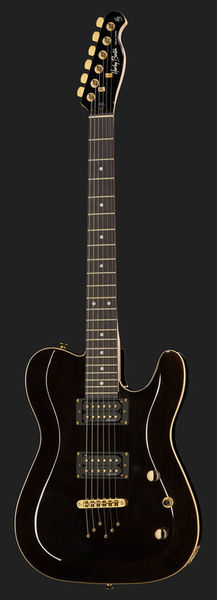
Harley Benton TE-40 TBK Deluxe Series
Electric Guitar
22 Frets, Dual action truss rod, 1 Volume knob and 1 tone knob, 3-Way pickup selector switch, Die-cast machine heads, Tune-O-Matic string-thru-body...
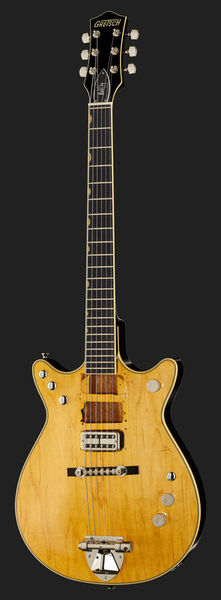
Gretsch G6131-MY Malcolm Young
Electric Guitar
Malcolm Young (ACDC) Signature Model, Chambered mahogany body (Swietenia macrophylla), Maple top, Neo Classic Thumbnail fretboard inlays, 22 Medium...

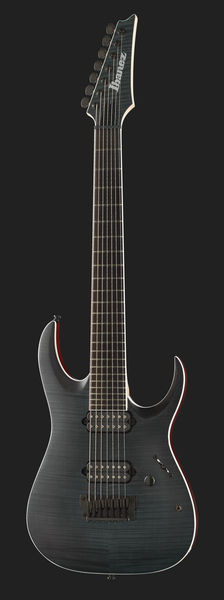
Ibanez RGAIX7FM-TGF Iron Label
Electric Guitar
7-String, Iron Label series, 3-Nitro pieced Wizard Maple / Purple heart neck, Fretboard binding, 24 Jumbo frets, Coil tap switch, Gibraltar...

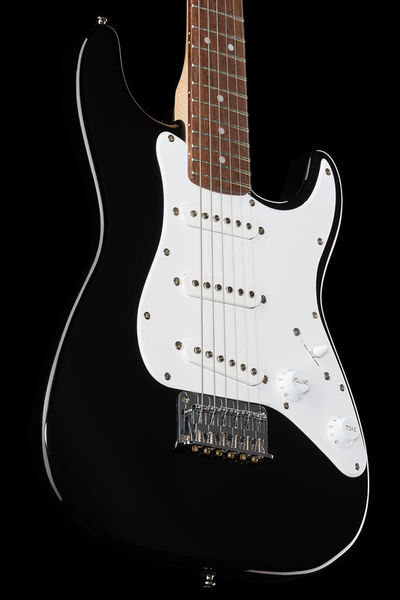
Fender Squier Mini Strat V2 BK IL
Electric Guitar
Mini Stratocaster, 20 Medium frets, Vintage style bridge, 5-Way toggle switch
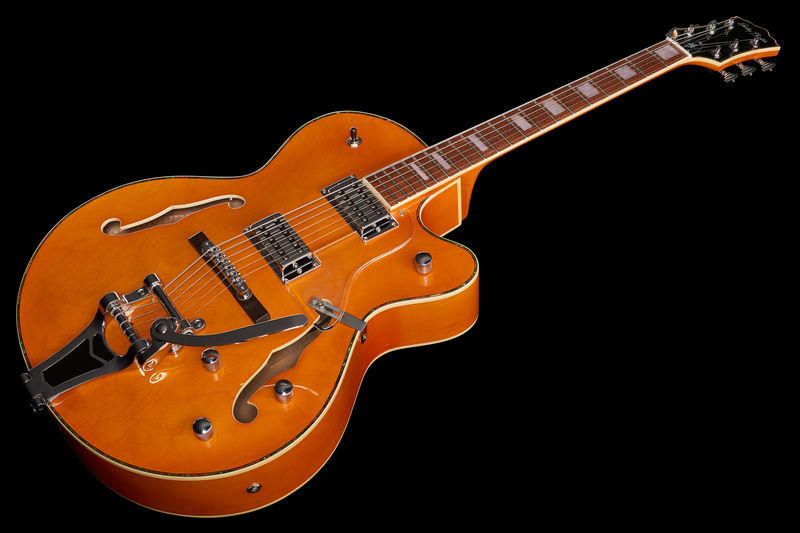
Harley Benton BigTone Vintage Orange w/Case
Harley Benton BigTone Trem Vintage Orange
Electric Guitar, Neck made of Canadian maple, Ovangkol fretboard, Block inlays, Body-, neck- and headstock binding, 20 Frets, 3-Way toggle switch,...
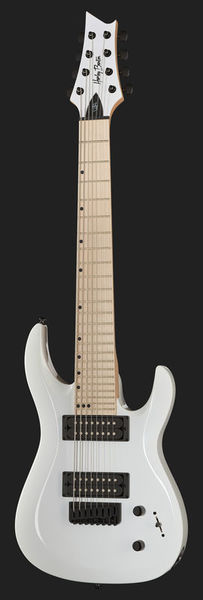
Harley Benton R-458MN WH Progressive Series
8-String electric guitar
Progressive series, Offset DOT fretboard inlays, ABS nut, 24 Medium jumbo frets, 1 Volume and 1 tone control, 3-Way toggle switch, DLX bridge,...
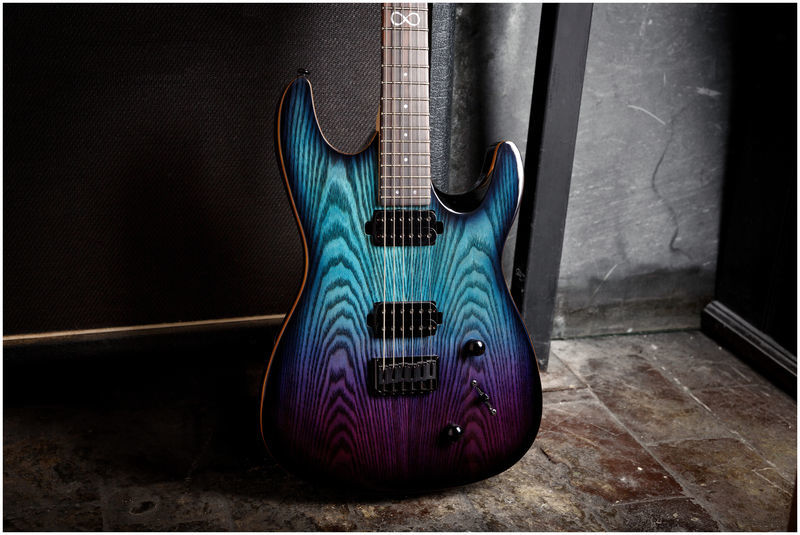
Chapman Guitars ML1 Modern Baritone Abyss
Baritone Electric Guitar
24 Frets, 1 Master volume control, 1 Master tone control with push/pull, 3-Way pickup selection switch, Made in Indonesia
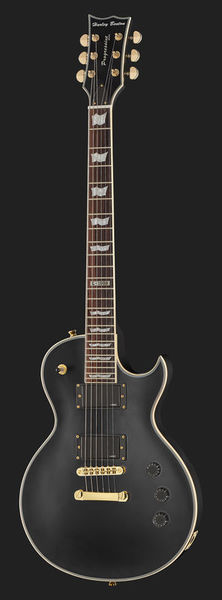
Harley Benton SC-1000 VB Progressive Line
Electric Guitar
Progressive Line, Mahogany body with arched top (Entandrophragma cylindricum), Set-in mahogany neck, Amaranth fretboard, Flags fretboard inlays,...
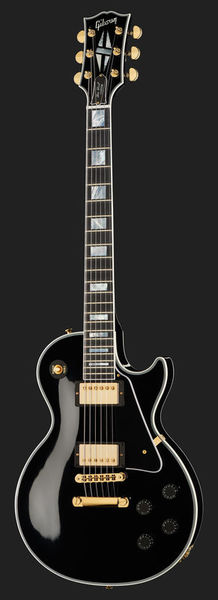
Gibson Les Paul Custom EB GH
Electric Guitar
Long neck tenon, 22 Frets, 5-Ply binding, Tune-O-Matic bridge and stop tail, Hardware; Gold-plated, Includes a case, Made in the USA
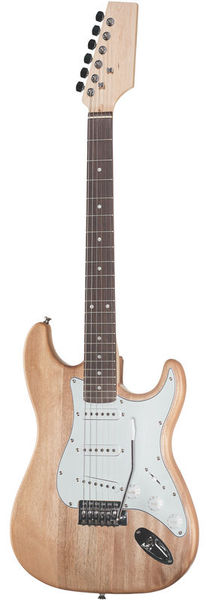
Harley Benton Electric Guitar Kit ST-Style
Electric Guitar Kit ST-Style
Complete DIY (Do it yourself) kit, Bolt-on neck, Solid wood body (wood colour may vary), Double action truss rod, Amaranth fretboard, Dot fretboard...
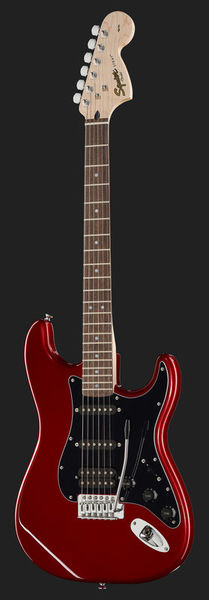
Fender SQ Affinity Strat Pack HSS CAR
Electric GuitarSQ Affinity Strat Electric Guitar
21 Medium jumbo frets, 6-Saddle Vintage-Style synchronized tremolo
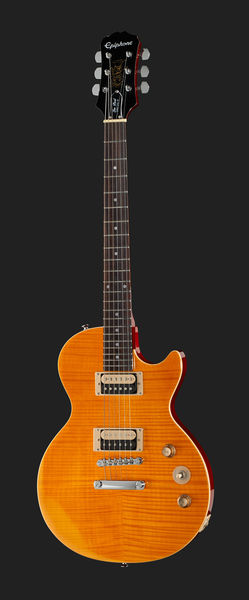
Epiphone Slash AFD LP Performance Pack
Electric Guitar Set
Consisting of Epiphone AFD Special-II guitar and Slash Snakepit-15 amplifier, Includes gig bag with snakepit logo, strap, cable and Slash Signature...

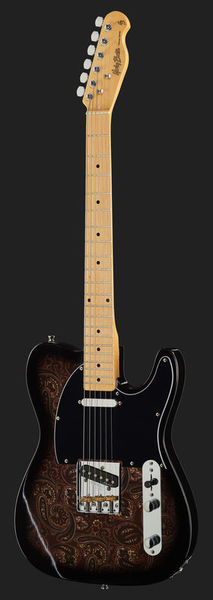
Harley Benton TE-70 Black Paisley
Electric Guitar
Deluxe series, Dot fretboard inlays, 21 Frets, 3-Way toggle switch, Deluxe chrome hardware, Wilkinson bridge with brass saddles and string-thru body
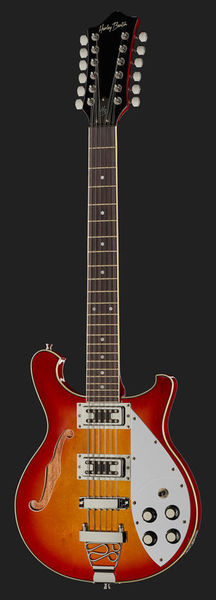
Harley Benton RB-612CS Classic Series
12-String Electric Guitar
Roseacer fretboard, DOT fretboard inlays, C neck profile, Body and neck bindings, 22 Frets, Dual action truss rod, 2 Volume knobs and 2 tone knobs,...
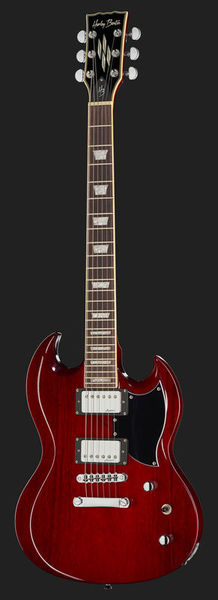
Harley Benton DC-Custom Cherry
Electric Guitar
Custom Line Series, Mahogany body (Swietenia meliaceae), Mahogany neck (Swietenia meliaceae), Set-in neck attachment, Jatoba fretboard, Binding on...
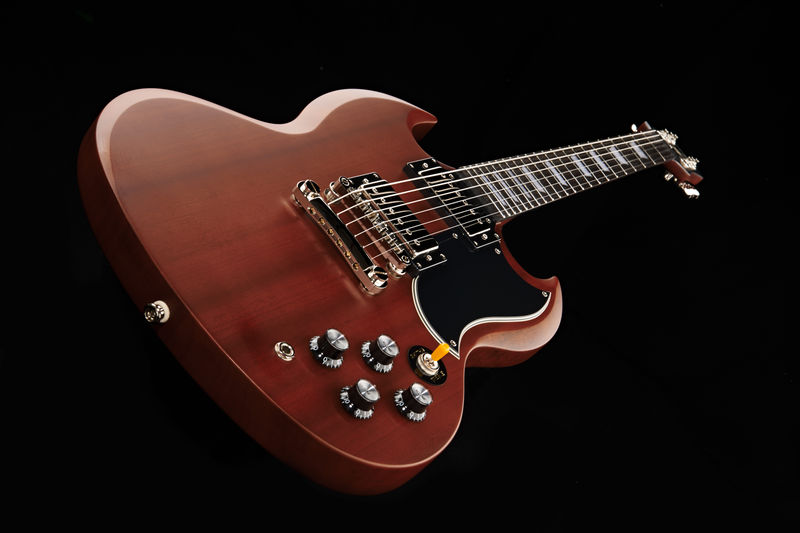
Epiphone G-400 WC
SG Model
Neck and body made of mahogany (Aucoumea klaineana), Set-in neck made of mahogany (Aucoumea klaineana), 2 x Humbucker pickups, Chrome hardware,...
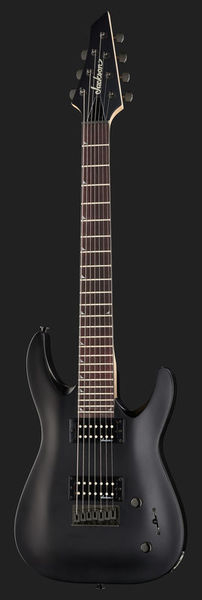
Jackson JS22-7 Dinky AH SB
7-String Electric Guitar
Pearloid Piranha fretboard inlays, 24 Jumbo frets, 3-Way switch, Jackson 7-string hardtail bridge with string guide through the body

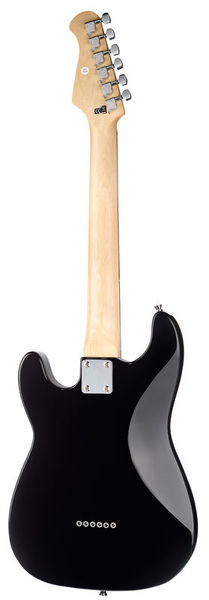
Harley Benton ST-Mini BK
Electric Guitar
Dot fretboard inlays, 20 Frets, Double action truss rod, 1 Volume control, 1 Tone control, 5-Way toggle switch, Die-cast machine heads, Guitar...
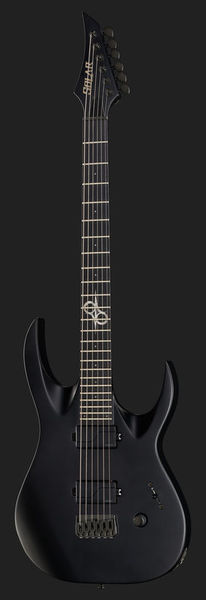
Solar Guitars A1.6 Baritone ATG G2
Electric Guitar
At The Gates Signature Model, 24 Stainless steel frets, Includes gig bag
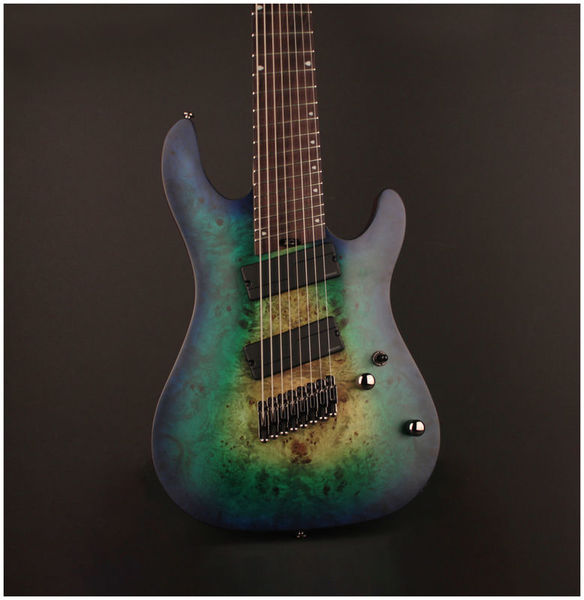
Cort KX508 MS Marina Blueburst
8-String Multi-Scale Electric Guitar
3-Way switch, Hardtail bridge with string-through-body

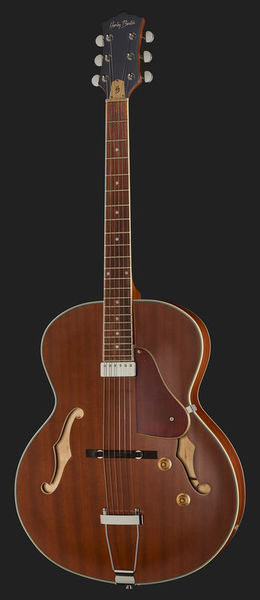
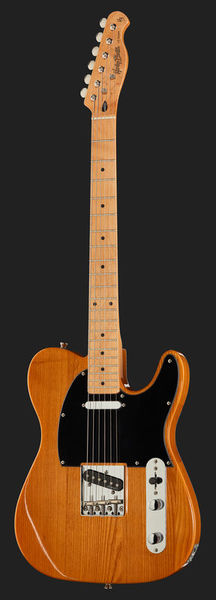
Harley Benton TE-52 NA Vintage Series
Electric Guitar
Dot inlays, 21 Frets, 1x Volume and 1x tone control, 3-Way selector switch, Deluxe chrome hardware, Kluson style machine heads
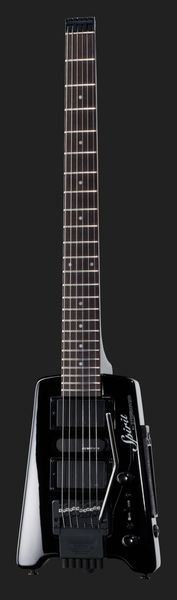
Steinberger Guitars GT-Pro Deluxe BK
Electric Guitar
3-Piece maple neck-through-body, 24 Frets, Master volume, Master tome, R-Trem locking vibrato, Gig bag included

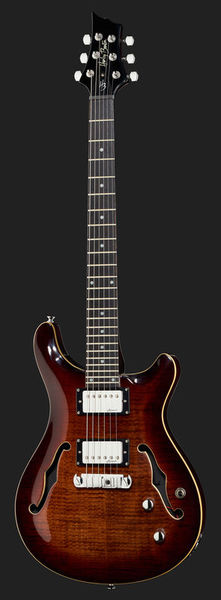
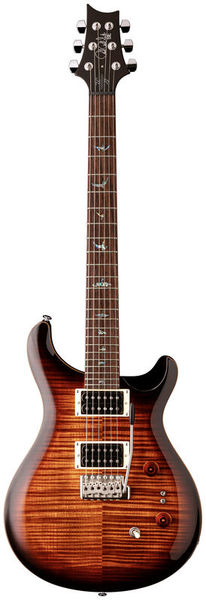
PRS SE Custom 24 BG 35th Anniv
Electric Guitar
Limited edition, Old School Bird fretboard inlays, 24 Frets, 1 x Volume controller, 1 x Tone control, 3-Way blade switch, 2 Mini switches, PRS...
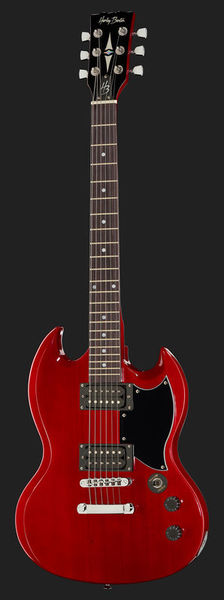
Harley Benton DC-200 CH Student Series
Electric guitar
Student series, Dot inlays, 22 Frets, Double action truss rod, 1 Volume and 1 tone control, 3-Way pickup selector switch, Chrome hardware,...
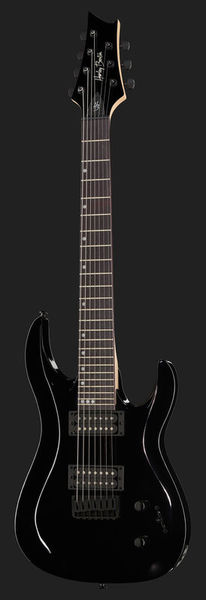
Harley Benton R-457 BK Progressiv Series
7-String Electric Guitar
Progressive series, Bolted maple neck, Offset dot fretboard inlays, Speed-D neck profile, NuBone nut, Dual action truss rod, 24 Medium jumbo frets,...
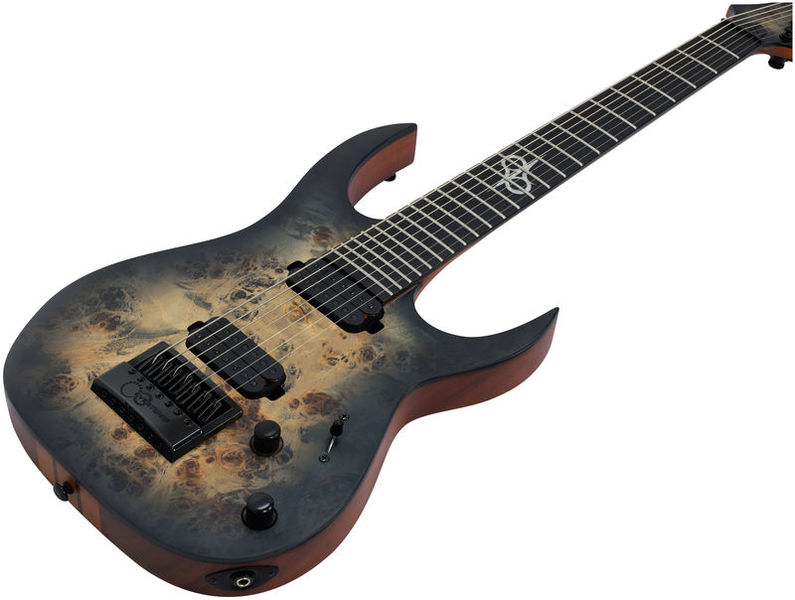
Solar Guitars S1.7 PB ETC
Electric Guitar
Ola Englund logo on 12th fret, 24 Super Jumbo stainless steel frets, Evertune bridge, Solar 18:1 Locking machine heads, Black Satin hardware
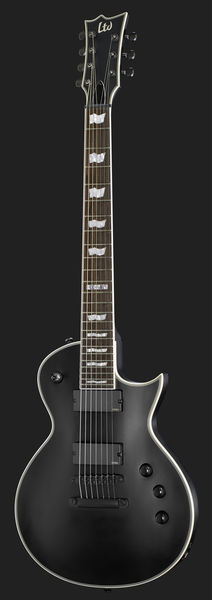
ESP LTD EC-407 Black Satin
7-String Electric Guitar
Mahogany body, Maple top, Set-in maple neck, 1x EMG 81-7 and 1x EMG 707 active humbucker pickup, 2 Volume- and 1 tone control, 3-Way toggle switch,...

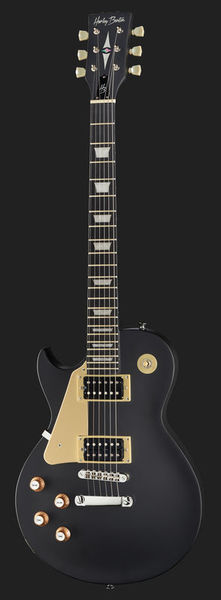
Harley Benton SC-400LH SBK Classic Series
Left-Hand Electric Guitar
Classic Series, Archtop, Crown inlays, 22 Frets, Dual action truss rod, 2 Volume knobs and 2 tone knobs, 3-Way pickup selector, Tune-O-Matic...
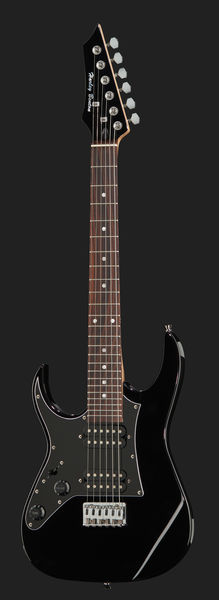
Harley Benton RG-Junior BK LH
Electric Guitar
Left hand model, Dot fretboard inlays, 22 Frets, Dual action truss rod, 1 Volume knob, 1 Tone knob, 3-Way toggle switch, Die-cast machine heads,...
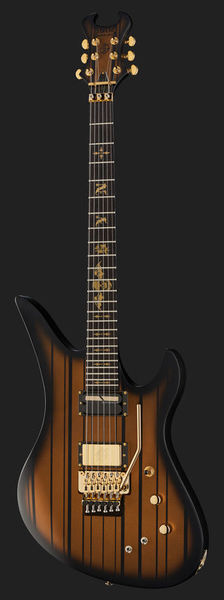
Schecter Synyster Gates Custom S SGB
Electric Guitar
Synyster Gates (Avenged Sevenfold) signature model, Mahogany body, Neck-thru-body mahogany construction with carbon reinforcement, Ebony fretboard,...

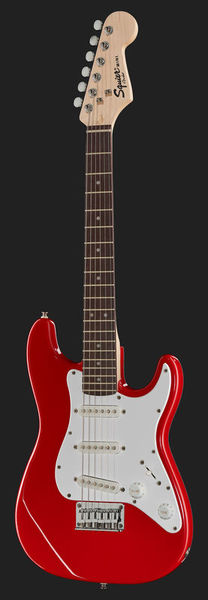
Fender Squier Mini Strat V2 TR IL
Electric Guitar
20 Medium frets, 5-Way toggle switch, Vintage style bridge
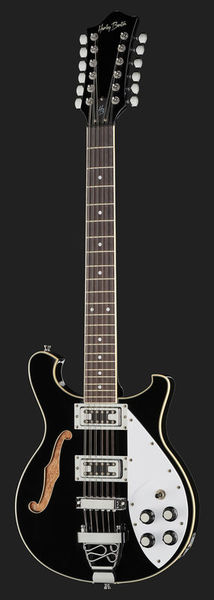
Harley Benton RB-612BK Classic Series Bundle
Harley Benton RB-612BK Classic Series
12-String Electric Guitar, Roseacer fretboard, Dot fretboard inlays, Fretboard binding, Body binding, 22 Frets, Dual action truss rod, 2 Volume...
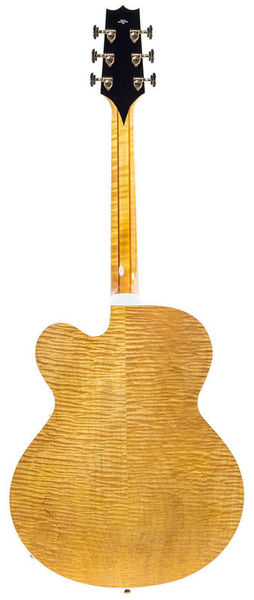
Heritage Guitar Eagle Classic AN
Electric guitar
Top & F-holes with white binding, 20 Frets, CTS potis, 2 Volume controls, 2 Tone controls, Height-adjustable stay, Grover machine heads,...

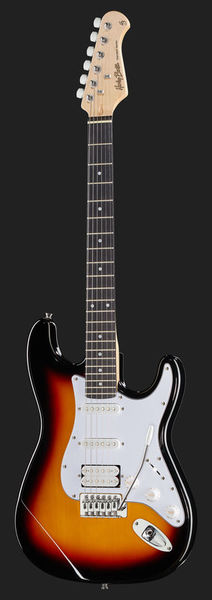
Harley Benton ST-20HSS SB Standard Series
Electric guitar
DOT fretboard inlays, 22 Frets, Double-action truss rod, 1 Volume control and 2 tone controls, 5-Way switch, Chrome hardware, Synchronised tremolo,...
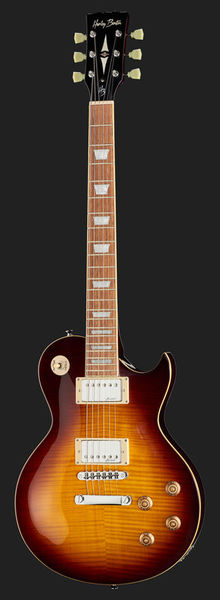
Harley Benton SC-550 Faded Tobacco Flame
Electric Guitar
Deluxe Series, 22 Frets, 3-Way pickup selector switch, Hardware; DLX chrome
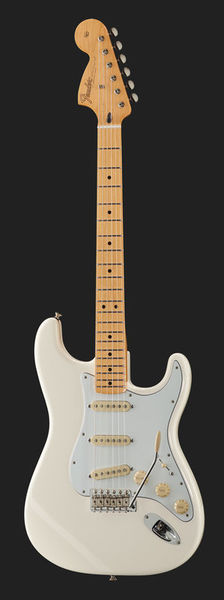
Fender Jimi Hendrix Strat OWH
Electric Guitar
Artist Signature Series - Jimi Hendrix model, Alder body, Maple Neck, C-Neck profile, Maple fretboard, 9.5 "Radius, 21 Medium jumbo frets, Micarta...
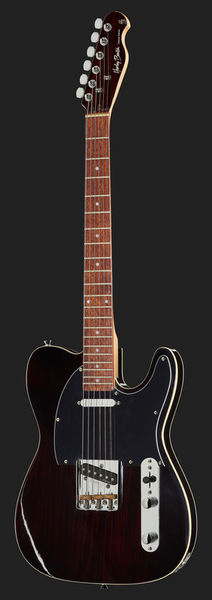
Harley Benton TE-70RW Deluxe Series
Electric Guitar
Deluxe Series, Dot fretboard inlays, 21 Frets, Cream body binding, Matched headstock, Dual action truss rod, 1 Volume knob and 1 tone knob, 3-Way...
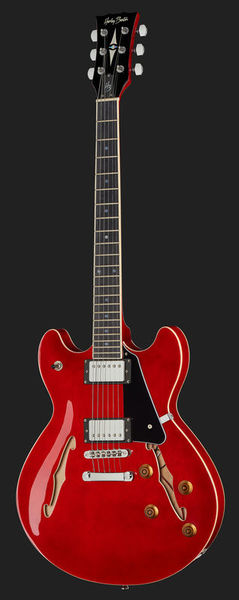
Harley Benton HB-35 CH Vintage Series
Electric Guitar
Vintage series, Arched top, Dot fretboard inlays, Cream binding on the body and neck, 22 Frets, Double action truss rod, 3-Way pickup selector, 2...
From Ro-Pat-In To The Stratocaster
If you are a guitar buff, you are probably curious about the history of electric guitars. Knowing all about the electric guitar you play and its history can be a great way to really connect with your music.
Being one of the most popular instruments being played today, many people know the history of the Spanish guitar and acoustic guitar but where did guitars of the electrical variety come from?
The history of electrically powered guitars begins sometime in the 1930s and was first manufactured by Rickenbacker (originally named Ro-Pat-In).
Electric Guitars For Every Occasion
However, the popularity with guitarists did not really seem to gain momentum until the era of the Big Bands. The electrical guitar fitted in perfectly since it needed extra volume to contend with the boisterous horn instruments that Big Bands are known for.
From this point in time onwards, the electrical type of guitar evolved and gained popularity. Whilst its counterparts the acoustic and classical guitars are of course widely used around the world, the electric version is perfect for so many situations. There are even electrical versions of the acoustic guitar simply to amplify their sound.
For guitarists everywhere, the most famous electrically powered guitars are the 1952 Gibson Les Paul and, of course, Leo Fender's Stratocaster from 1954.
Learning the history of all types of guitars, or any instrument you play for that matter, will give you a better understanding of the importance of your instrument.
Extra! Extra! Guitars Get A Riff On
If you like it loud, you'll like the electric guitar. First seen in the early 1930s, electric guitars gained immediate popularity through their use in the Big band era. Because they could be electrically amplified, the guitars were able to hold their own against the brass sections of big bands and jazz orchestras.
Guitarists have been jamming on electrics ever since. Because the guitar doesn't rely on amplification from the guitar itself, but uses electromagnetic pickups to covert the vibration of the guitar's metal strings into electric signals, electrics can come in every shape and size.
Wah-Wah - Make Your Electric Guitar Cry
The electric was and still is used extensively in blues and rock and roll. Such guitar companies as Fender, Gibson, Taylor, and Ibanez have been in the guitar game for many years and some like, Leo Fender have been at it since the guitars were first commercialized for mass consumption.
With the amazing talent of guitarists throughout the 20th century, many new components were added to the guitar repertoire, including the very fun guitar effects box.
An electric effects box allows guitarists to add a variety of musical zips and zings to their playing. The most common guitar effects include flanging, fuzz, wah-wah, vibrato, as well as compression sustain, delay and echos.
A number of innovative elctric guitarists have rocked the music scene throughout the years. including guitarists Daniel Ash, Jerry Garcia, Eddie Van Halen, Jimi Hendrix, and Thurston Moore.
Even if you like your acoustic guitar, it can never hurt to pick up an electric and let the amp rip. There's just something so empowering about the energy that bursts through you, your guitar, and out of that speaker as you blaze in a moment of guitar glory. Keep it loud, keep it proud, keep it electric.
Guitar Bodies - Key To A Great Sound
Guitar bodies are the single most important element that determines guitar quality.
The quality of a guitar body, in turn, depends on the kind of wood that a luthier uses to create the guitar top and the guitar's back and sides.
Maple, spruce or red cedar is used to make the acoustic guitar top.
The back and sides are generally made of mahogany, Indian rosewood or Brazilian rosewood. Also, the body of the acoustic guitar is hollow.
A Guitar Body Defines Quality
Electric guitars, in contrast, have solid bodies made of maple, ash, poplar, alder or mahogany. Some electric guitars like the Gibson ES-335 may have a semi-hollow body, and hollow wings. Their sound is somewhat closer to that of the acoustic guitar.
Also, unlike acoustic guitars where a single piece is used to make the guitar top, luthiers prefer to laminate hardwoods in the case of an electric guitar to produce sounds of superior tone. The bodies of electrics are then carved or routed to fix guitar components like bridges, pickups and necks.
Guitar makers like to decorate the body of a guitar, especially acoustics, with purfling. This not only adds to the guitar's looks but also helps the luthier bond two strips of wood more strongly.
Guitarists prefer those bodies whose sound improves with age. Interestingly, the age of a body is not measured by years but by the number of hours that a guitar is played.
The companies that make some of the finest bodies in the guitar world are Fender, Martin, Gibson and Taylor and all are available online.
Guitar Reviews - Powerful Opinion Builders
Guitar reviews are a must for every guitar maker would like to promote his guitar as the ultimate guitar.
To do so, he needs favorable reviews in established guitar magazines.
To get a positive guitar review needs a good strategy. Some guitar manufacturers make friends with leading reviewers.
Others hire public relations firms to organize good reviews and some even try to influence reviewers by loading them with freebies.
Guitar Reviews On The Internet
The reviews that were most sought after till the 1990s were those that were published in the magazines such as Guitar World and Acoustic Guitar. To ensure that the review would be respected, the magazines use well-informed guitar writers and professional guitarists.
The arrival of the Internet has added a new dimension to reviews. Everything from coffee beans to guitars is reviewed online but beware as both dealers and users can create web sites to review guitars.
Many of these reviews are biased or malicious. Guitarists have been known to exact revenge on their review sites and dealers have paid commissions to those who give a good review.
That is why the comments posted in different guitar forums do not enjoy the same respect as the review done by a professional guitar writer. However, reviews provide all guitar makers, be they Fender, Martin, Gibson, or Taylor, useful feedback on the strong and weak points of their guitars.
The guitar market is crowded, with new models being launched every other day. Manufacturers realize that they can ignore these reviews at their peril.
A good review can cause a spurt in guitar sales and a bad review a sharp drop. But buyer beware, and always do your own guitar research.
Custom Guitars - Getting Exactly What You Want
Custom Guitars have spawned from the search for the ultimate guitar. A small cottage industry has sprung up where skilled craftsmen make guitars as per the specifications laid down by the customers meeting the needs of both professional and aspiring guitarists.
A custom guitar can be ordered online or from the local guitar store.
Just decide the shape of the guitar body, the style of the guitar neck, the kind of neck to body joint or the radius of the guitar fingerboard and send the form.
Buying A Custom Guitar Is Like Making It Yourself
In the case of an electric guitar, the guitarist can even decide the hardware and electronic configuration. The guitarist can also select the strings, the case or the straps to give his guitar a completely different look.
Clearly, a made-to-order custom will be superior to an assembly-line guitar. However, much depends on the experience of the guitar maker and his attention to detail.
Custom Guitars Are Worth The Wait
Good guitar makers generally take two to three months to turn out a custom. Some have eight to ten months' backlogs for their guitars but other custom makers have built prototypes, and ask the customers to choose from them, speeding up the process.
Other makers also repair and modify guitars, an added attraction for budding guitarists who can add new features to their guitars, and extra business for the guitar makers.
Top of the line companies like Fender, Martin, Gibson or Taylor do not offer custom-built guitars. But their guitars are generally built to meet the needs of the well-known or famous guitarists.
A custom-built guitar can cost anything from $1400 to $5,000 depending on the guitar maker and the components used. Some may even cost more. But it surely is good value for money.